CTOs, VPs of Engineering, HR directors, recruiters
For Hiring Teams
What to test in software engineering interviews now that AI writes the code. Interview guides, question banks, scorecards, and the reasoning behind them.
 The AI-Era Hiring Playbook — Part 1What You Don’t Need to Ask Software Engineers AnymoreAlgorithm rounds, stack filters, syntax trivia and the timed bug fix. What each one actually measured, why the signal degraded, what to keep, and what to put in the funnel instead.
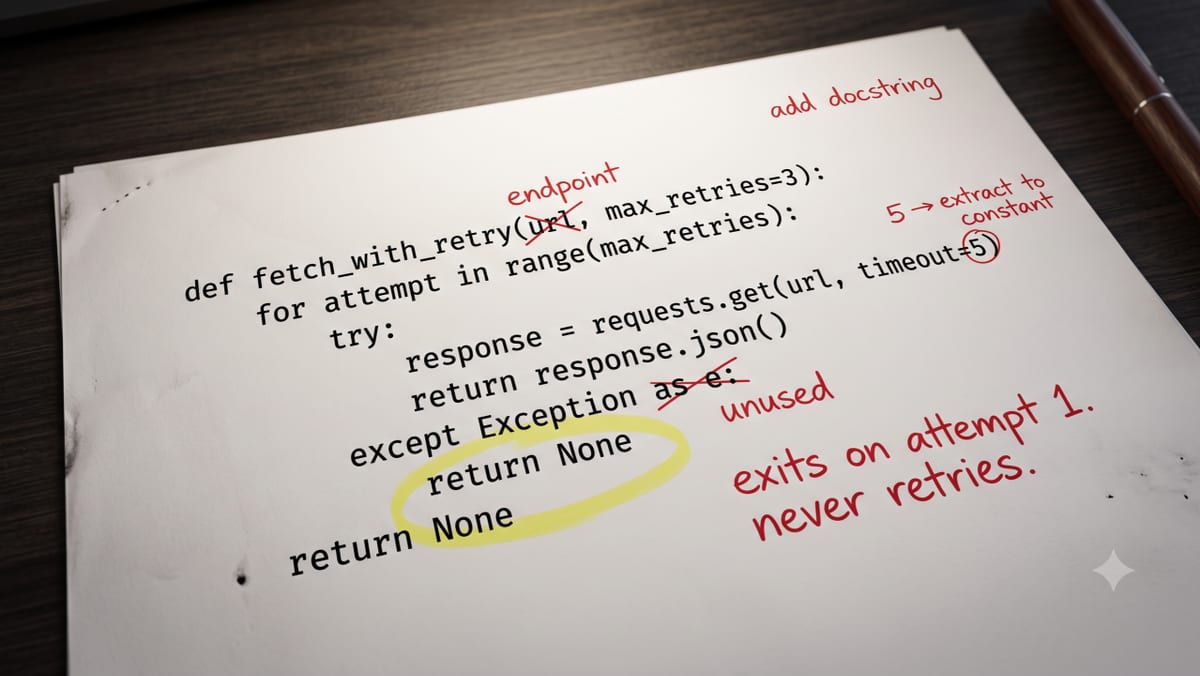
 The AI-Era Hiring Playbook — Part 2What to Ask Software Engineers InsteadFive exercises that test what the job now is: specifying before building, working with AI under observation, reviewing output for correctness, reasoning about failure, and debugging from a hypothesis.
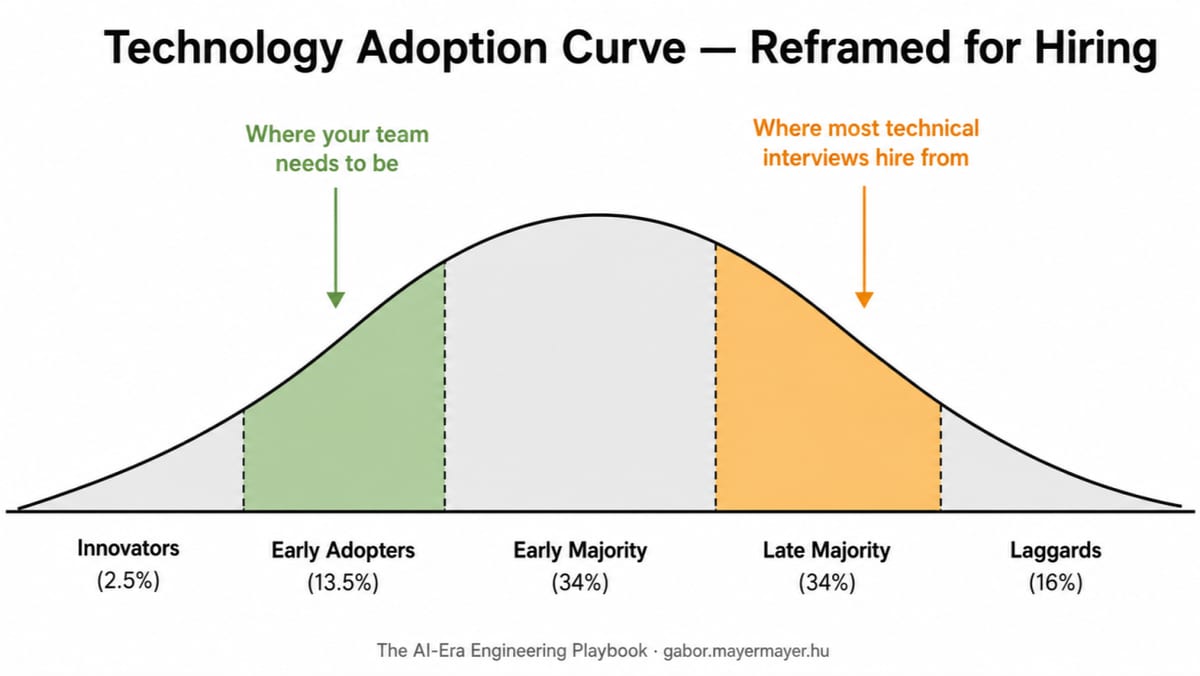 The AI-Era Hiring Playbook — Part 3The Question You’ve Never Thought to AskEarly adoption is the most undervalued interview signal — high relevance, almost never tested. How to ask for it, and how to tell a real answer from keeping up.
Tools
- System Engineer: Question BankInterview questions for System Engineer roles, with what strong and weak answers look like.
- Product Engineer: Question BankInterview questions for Product Engineer roles, organized by skill dimension.
- System Engineer: Interview ScorecardStructured evaluation scorecard for System Engineer interviews.
- Product Engineer: Interview ScorecardStructured evaluation scorecard for Product Engineer interviews.
- Job Description TemplatesReady-to-use JD templates for System Engineer and Product Engineer roles.
- Hiring Audit WorksheetAudit your current interview process against what the roles actually require.
- The Interview Drift ToolkitThe full toolkit for measuring and fixing interview drift — all tools in one place.
Also relevant here
From other parts of the playbook — each stays at its own home section; these are pointers, not duplicates.
 The AI-Era Engineer's Playbook — Part 3What Your Interviewer Already Knows About YouThe new interview tests three things: specification quality, output evaluation, and failure-mode reasoning. Here's what that looks like from the candidate's chair — and how to prepare.
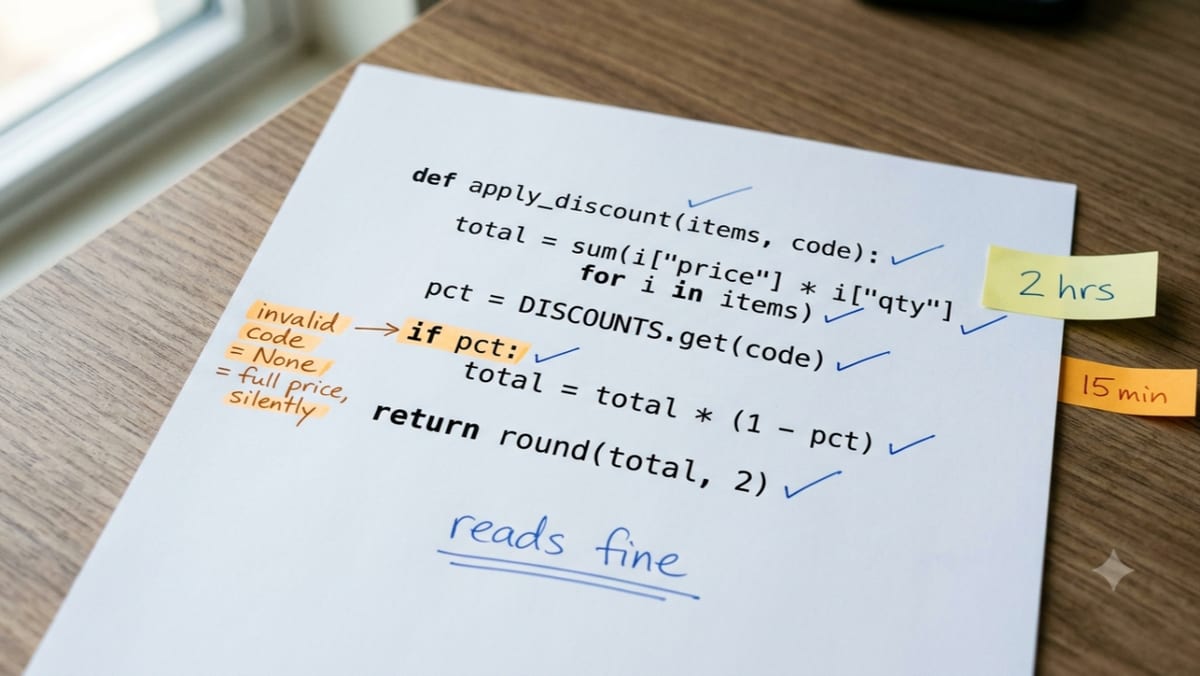 The AI-Era Engineer's Playbook — Part 5Why Writing Code Taught You the Wrong Way to ThinkWriting code trained you to verify incrementally and trust progress. Agentic work hands you a finished artifact and asks you to distrust it. Those are opposite reflexes, and experience makes the wrong one stronger.
- The AI-Era Engineer's Playbook — Part 6The Prompt That Reveals EverythingTwo developers, one ticket, two prompts. Both produced working code and only one produced correct code. The prompt is not a skill you learn; it is a transcript of thinking that already happened.
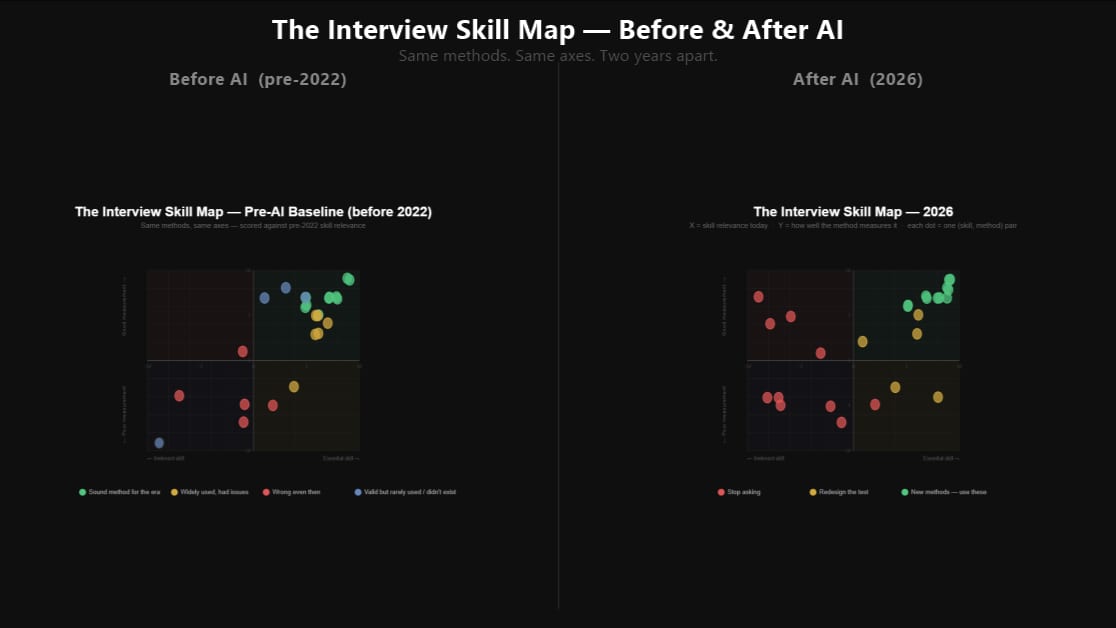
- In The ResearchThe Interview Skill Map — 2026Interactive map of interview methods scored against 2026 skill relevance.
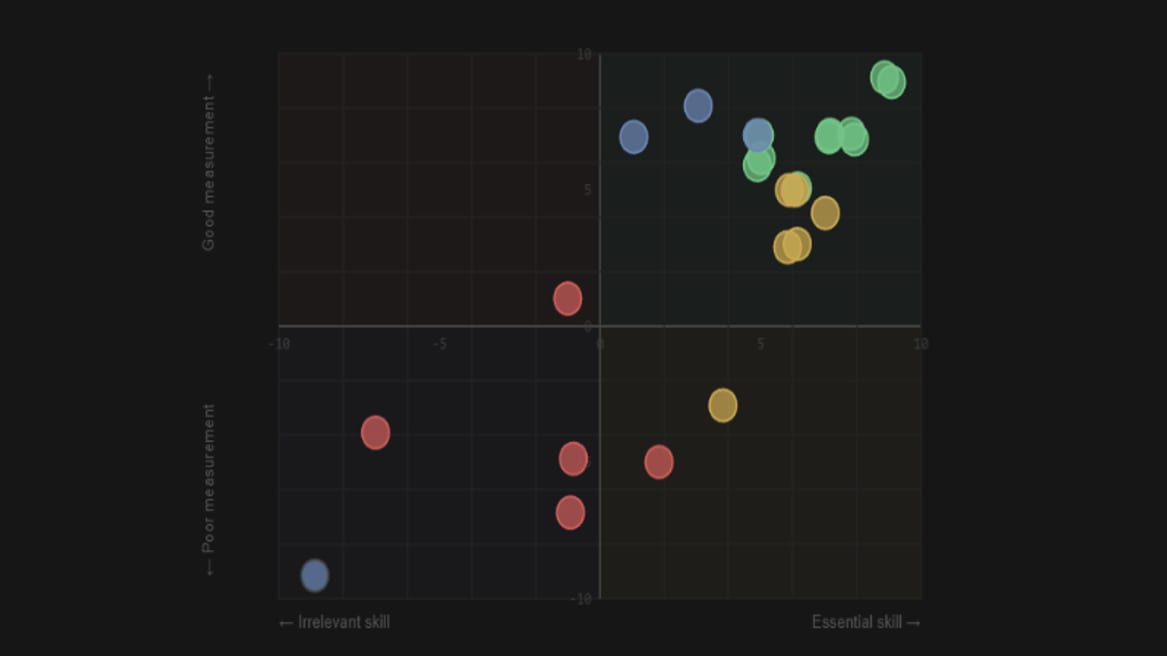
- In The ResearchThe Interview Skill Map — Pre-AI BaselineThe same interview methods scored against pre-2022 skill relevance — the baseline the industry still hires by.
- In For LeadersTeam Realignment GuideA step-by-step guide to restructuring an existing team toward the pod model.
Coming to this section
- Evaluating AI tool judgment in an interview (not just output quality)
- Updating job descriptions for AI-era roles
- AI-era performance reviews and career ladders
- Mentoring junior engineers in an AI-first organization